

Material Coverage: Release only what's clear to build
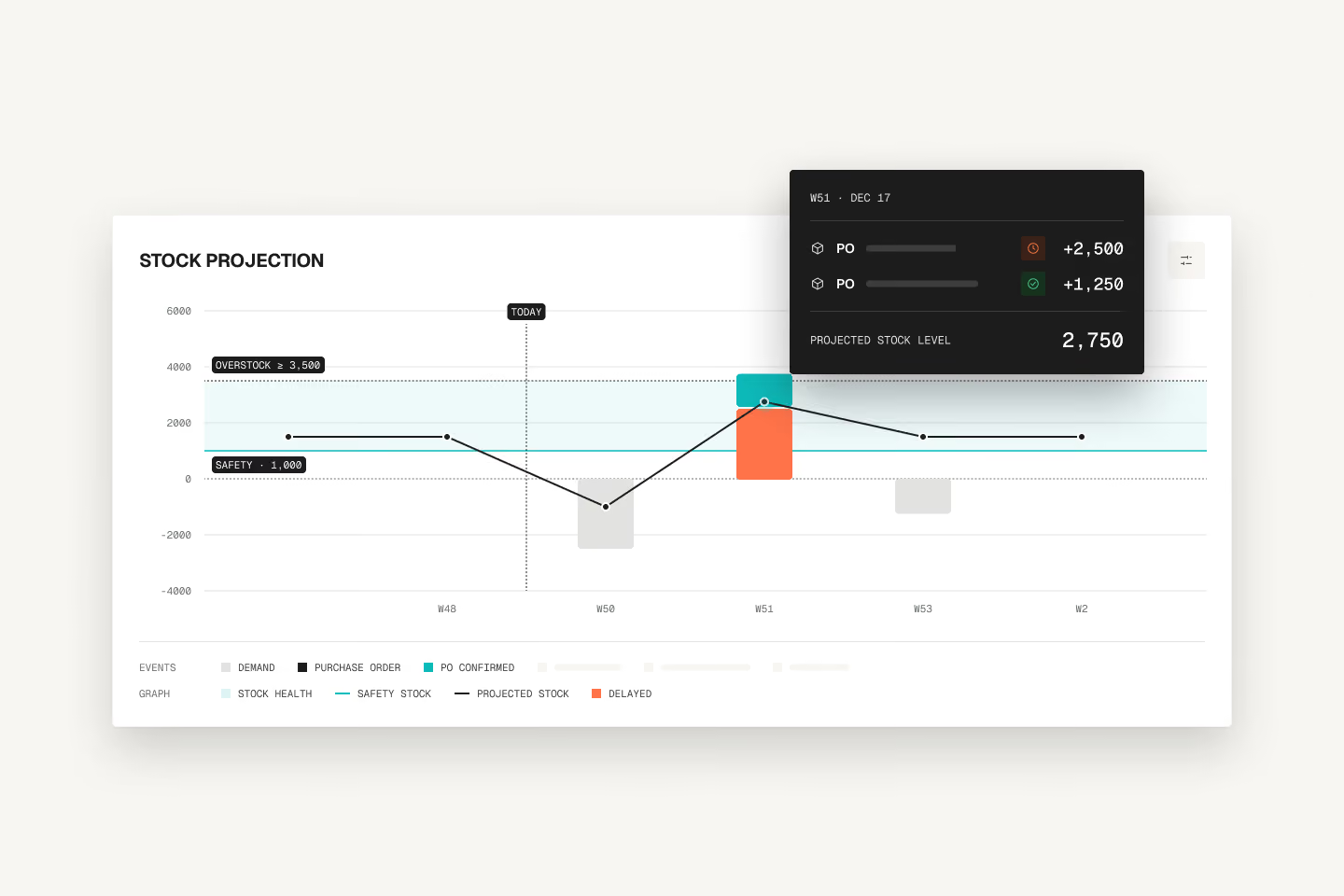
Work orders often get released before every part is in, then stall on the floor. Pelico checks every BOM level against parts on hand and on order.
What changes with Pelico
Results from customer deployments:
On-time delivery
+15%
Clear-to-build
+16%
Material coverage
+29%
Go live
12 wks
Why work orders get released before the parts are in

Part availability is checked by hand, system by system
How many hours a day do your planners spend in spreadsheets, reconciling work orders against stock and open POs?
Shortages are ranked by date, not by damage
Do your buyers work shortages in due-date order, or by the revenue and delivery each one puts at risk?
Recovery plans live in email
When a part runs late, is the recovery plan in one place, or scattered across buyers' inboxes?
CAPABILITIES
What Pelico gives planners and buyers
The Material Coverage solution runs on Pelico's Manufacturing Orchestration Platform. Every part is traced from purchase order to work order to delivery.
Made for: Production Controllers · Materials Managers · Planners · Master Planners · Buyers · Supply Managers
Clear-to-build management
Live component availability checked against every work order, with a clear-to-build status per order. Release only what's ready to build today.
Shortage prioritization
Every missing part ranked by downstream revenue and delivery impact.
Predictive scheduling and rescheduling
Simulate plan changes against live material before you commit. Recovery paths are ranked by delivery impact, so the least disruptive fix comes first.
Recovery plan management
Every recovery action on an owned ticket, with a full log and SLAs. What was decided, by whom, and why stays attached to the part.
AI that can work every shortage at once
Pelico's AI agents trace every shortage to the orders it holds up, flag the one threatening the most output, and help chase suppliers.
FAQ
Catch shortages early enough to fix them. Check every work order against parts on hand and on order, at every BOM level, well before release, then work the shortages that block the most builds first: pull in a purchase order, move stock from another plant, or resequence. With Pelico, a global HVAC manufacturer reached 93% clear-to-build, up 13 points, within eight weeks.
Rank shortages by what they hold back, not by due date. A late part blocking a high-value customer order matters more than an earlier one that holds nothing. Pelico ranks every shortage by the revenue and deliveries it puts at risk, so buyers and planners work the costliest one first.
Power BI reports what's short. An orchestration platform traces each shortage through the BOM to the work orders and customer orders behind it, and ranks which to fix first. Pelico pegs every unit of supply to the demand it covers and lets planners simulate a fix before they commit. Your reports stay as they are.
Coverage is calculated at every level. If a subassembly is waiting on a late component, the parent work order is uncovered too. Pelico traces the gap up to the finished unit and the customer order behind it, so the shortage is flagged against the build it actually stops.
Start it with the list already built. Most shortage meetings spend their time working out what's short and what it affects, so there's little left for deciding. When coverage and priority are calculated beforehand, the meeting works a ranked list, and every recovery action leaves with an owner.
It can take the slow, repetitive work off planners: flagging work orders that lose coverage as supply dates move, recalculating end dates across the BOM, ranking fixes by delivery impact, and communicating with suppliers. In Pelico, AI agents work from coverage calculated on your ERP and factory data, and planners approve each action before it goes out.
Stop releasing work orders that stall
Ask how one manufacturer used Pelico to cut part shortages by 88% in four months, and what it would take in your plant.

